Identifying the Damage: Physical Symptoms of Aging Leather
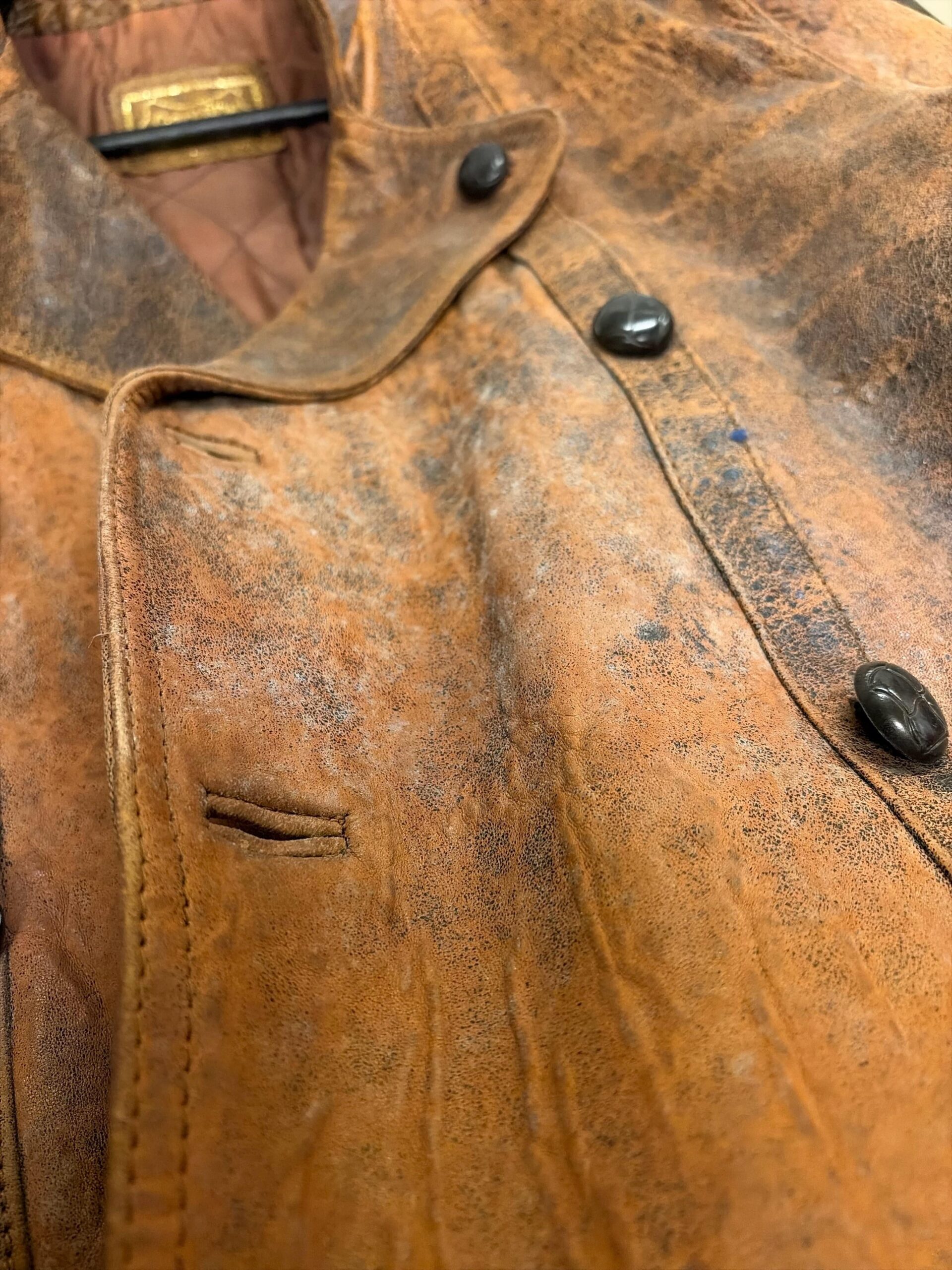
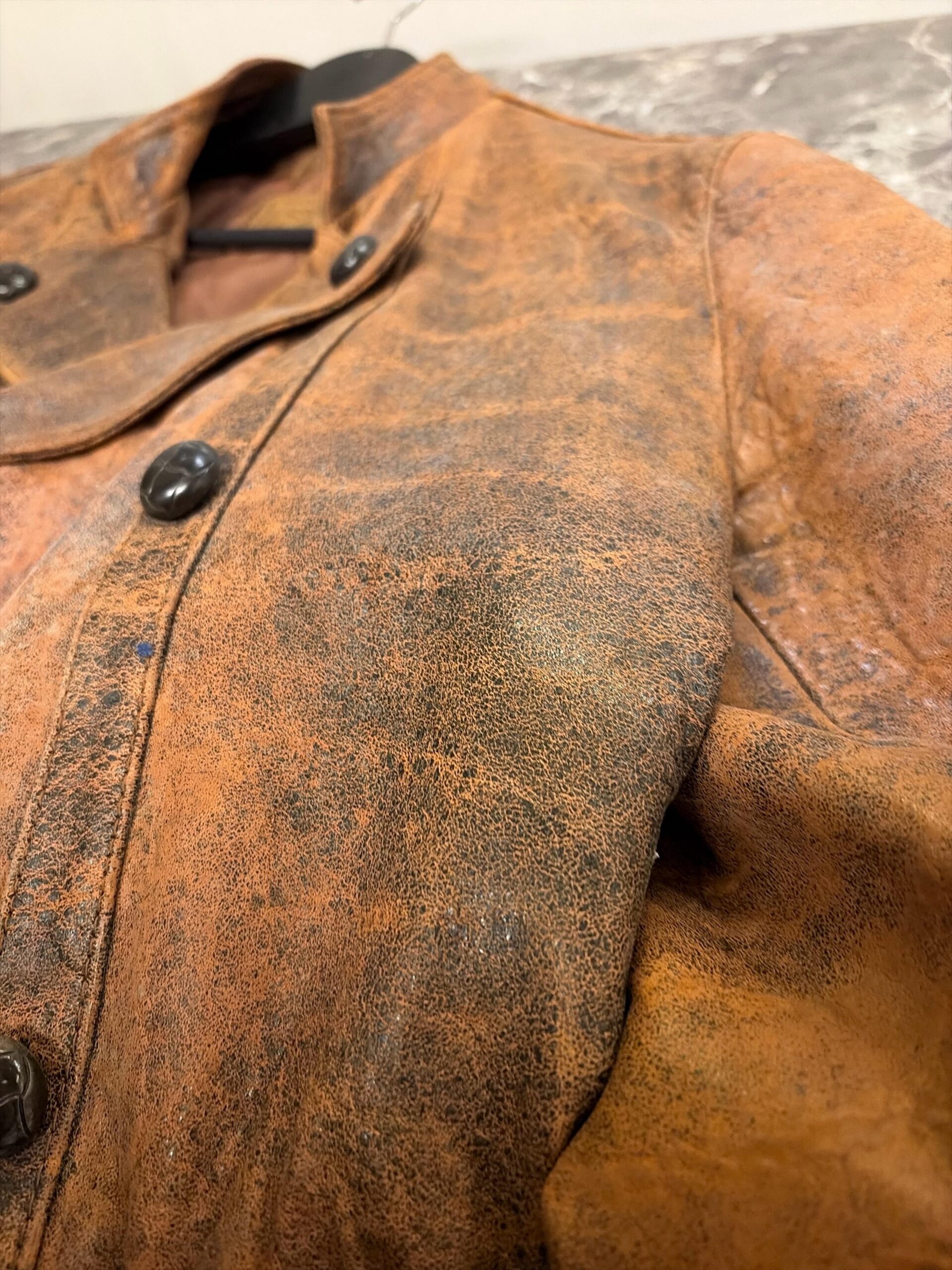
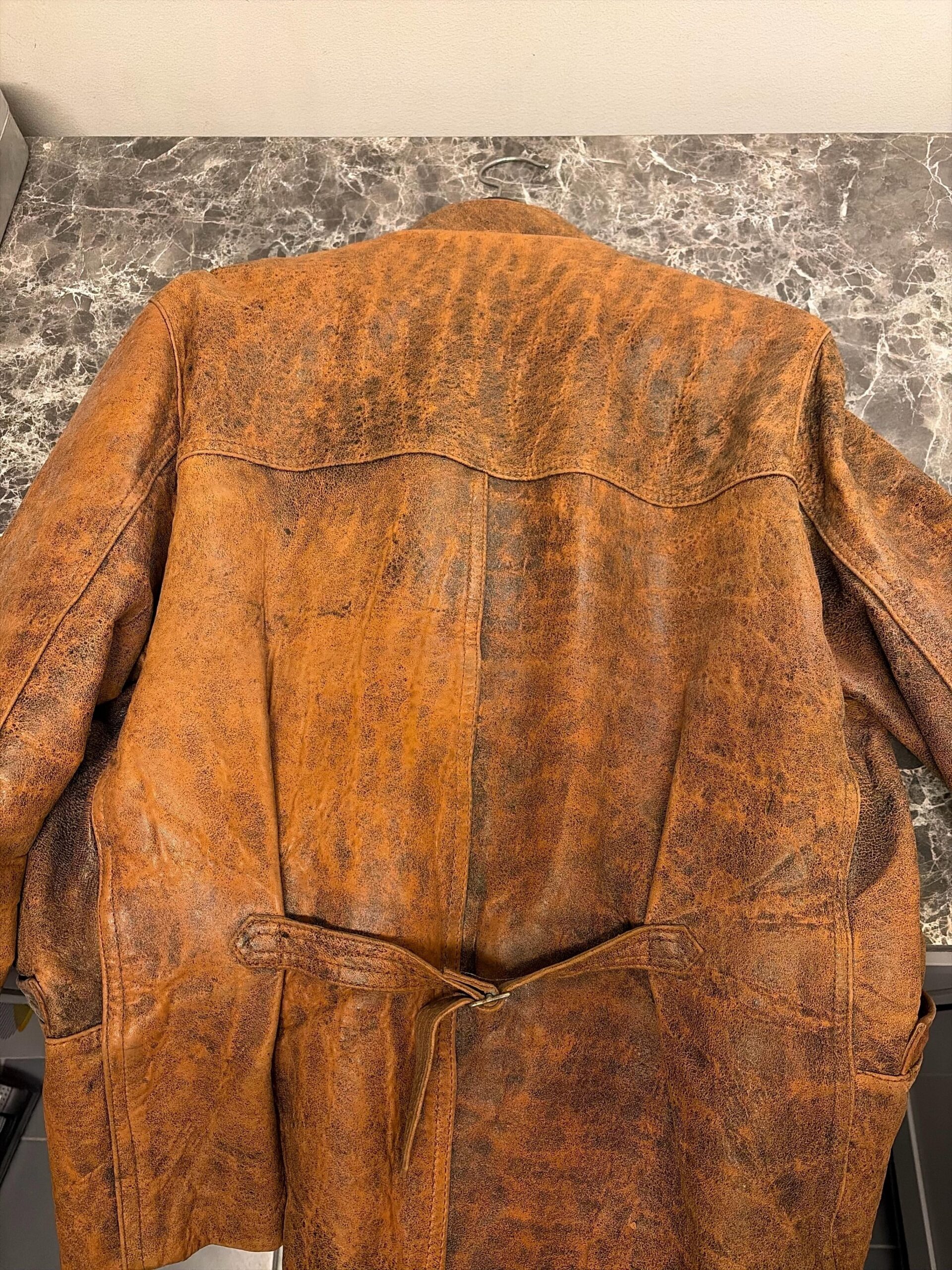
When a vintage leather jacket hits my bench after years in a North American basement or attic, the first thing I look for isn’t the brand—it’s the physical integrity of the hide. Storage in high-humidity regions or fluctuating climates (like the Northeast or the Pacific Northwest) leaves specific calling cards. You’ll often see white-ish spots scattered across the grain, which many novices mistake for simple dust. You may also find localized discoloration, where the leather looks “bruised” or significantly darker, indicating the material has sucked up environmental moisture or that the internal oils have migrated and oxidized.
Bench Diagnostics: Separating Surface Issues from Structural Failure
Before you apply a single drop of cleaner, you must determine if the leather is salvageable. Not every piece can be saved, and dry rot is a death sentence. Use these three industry-standard tests to evaluate your piece.
The Heat Test for Fatty Spew
Those white spots are either Fatty Spew (Spue) or Mold. Spew is just natural fats and tanning oils that have crystallized on the surface due to temperature drops. Take a hair dryer on a low heat setting (roughly 100°F to 110°F) and wave it over a spot. If the white film melts and disappears instantly, it’s Spew—a harmless cosmetic issue. If it stays put, you’re dealing with an active biological mold colony.
The Flex Test for Dry Rot
Gently bend the leather in a darkened or particularly stiff area. Listen closely. If you hear a crackling sound or if the surface “flakes” like old paint, the protein bonds have snapped. This is Dry Rot. If the fibers snap under a gentle flex, the jacket is structurally unsound and should not be worn.
The Olfactory Check
Give the jacket a deep sniff, particularly near the armpits and the interior lining. A sharp, acrid, or “old basement” musty smell confirms that fungal spores have penetrated the corium (the deep fiber layer). This requires a full sanitization, not just a surface wipe.
Actionable Bench-Work: The Step-by-Step Restoration
If the jacket passes the diagnostics, follow this professional sequence to stabilize and restore the hide. Do not skip steps; leather restoration is about chemical balance and mechanical agitation.
- Sanitization: If mold is present, mix a 50/50 solution of Isopropyl Alcohol and distilled water. Lightly mist a microfiber cloth and wipe the entire garment. This kills the spores without soaking the leather. Pro Tip: Do this outdoors to avoid spreading spores in your shop.
- Deep Clean: Use a pH-balanced, glycerin-based Saddle Soap. Dampen a high-density sponge (not soaking wet) and work the soap into a light lather using circular motions. This lifts the “trail grime” and oxidized oils out of the grain.
- Mechanical Agitation: Use a soft horsehair brush to scrub the seams, pockets, and zippers. The bristles are firm enough to pull dirt from the texture but soft enough to avoid scratching the finish.
- Re-Liquoring (Conditioning): Once the leather is clean and slightly damp, apply a professional-grade lanolin-based balm or a light coat of mink oil. Massage it in with your hands; the warmth of your palms helps the oils penetrate the medulla. Let the jacket sit for 24 hours in a room-temperature environment.
- The Final Buff: Take a clean, dry microfiber cloth and vigorously buff the entire surface. This removes any unabsorbed oil and brings back the natural luster of the grain.
Critical Cautions for the Professional Restorer
Restoration is as much about what you don’t do as what you do. Avoid these common pitfalls to ensure the longevity of the garment.
Avoid Silicone-Based Products: Never use “instant shine” sponges or cheap furniture polishes found in big-box stores. These contain silicone which seals the pores of the leather, trapping moisture inside and eventually causing the leather to suffocate and crack from the inside out.
Hardware Maintenance: Inspect all brass zippers and snaps for verdigris—that nasty green gunk that forms on copper alloys. Use a toothpick and a tiny amount of white vinegar to click it away. If left alone, this corrosion will eventually “eat” into the surrounding leather, causing permanent staining and structural weakness.
Storage Reality: Once restored, never store a leather jacket in a plastic dry-cleaner bag. Leather needs to breathe. Use a breathable fabric garment bag and a wide, contoured cedar hanger to maintain the shoulder shape and manage ambient moisture.