The Anatomy of Ostrich Degradation
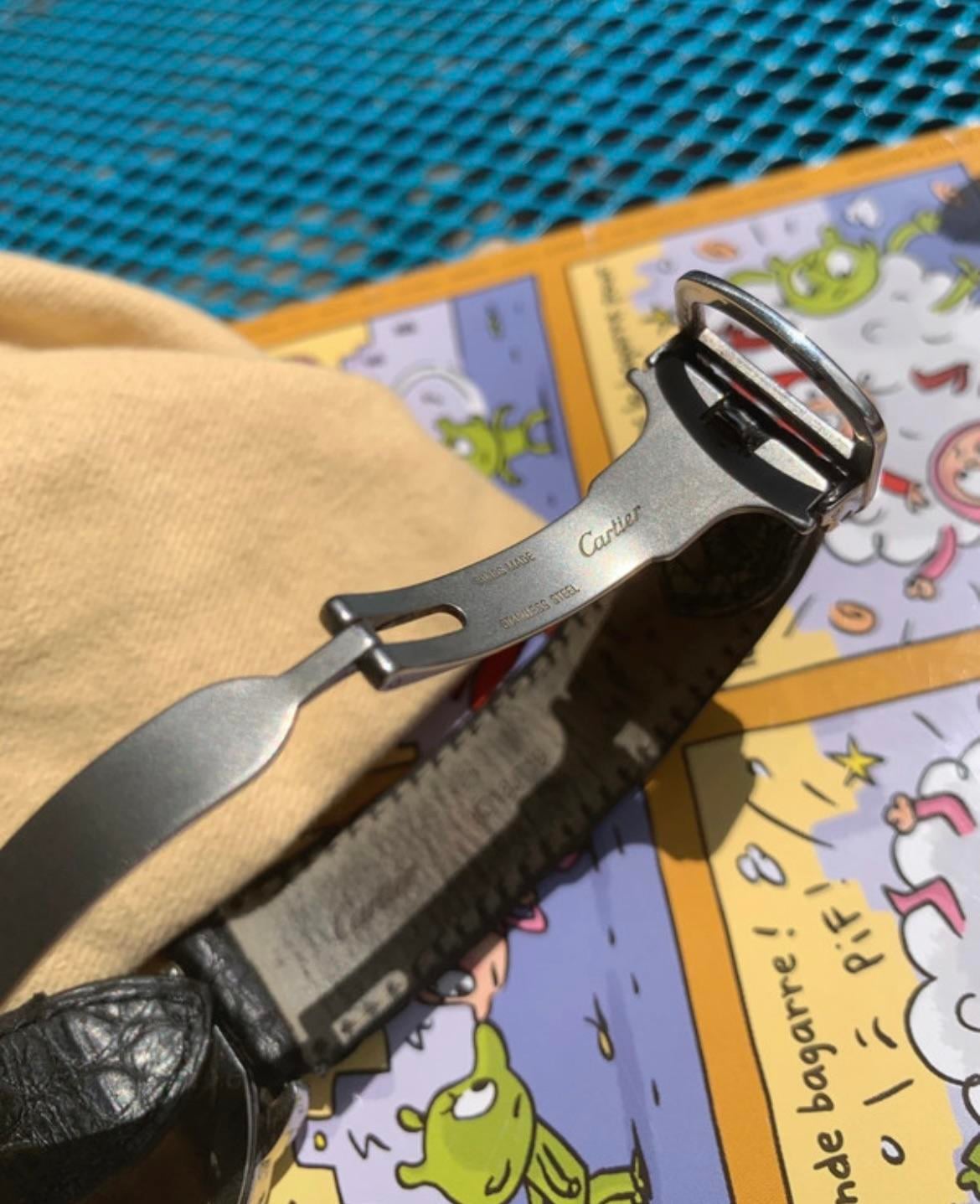
In my 20 years at the bench, I’ve seen countless high-end Cartier and bespoke ostrich straps ruined by “home remedies.” Ostrich is a unique, protein-dense exotic skin characterized by its quill follicles. Unlike bovine leather, it features a rembordé (turned-edge) construction that requires a surgical touch. When you see a strap failing, you aren’t just looking at dirt; you’re looking at the structural breakdown of the collagen fibers.
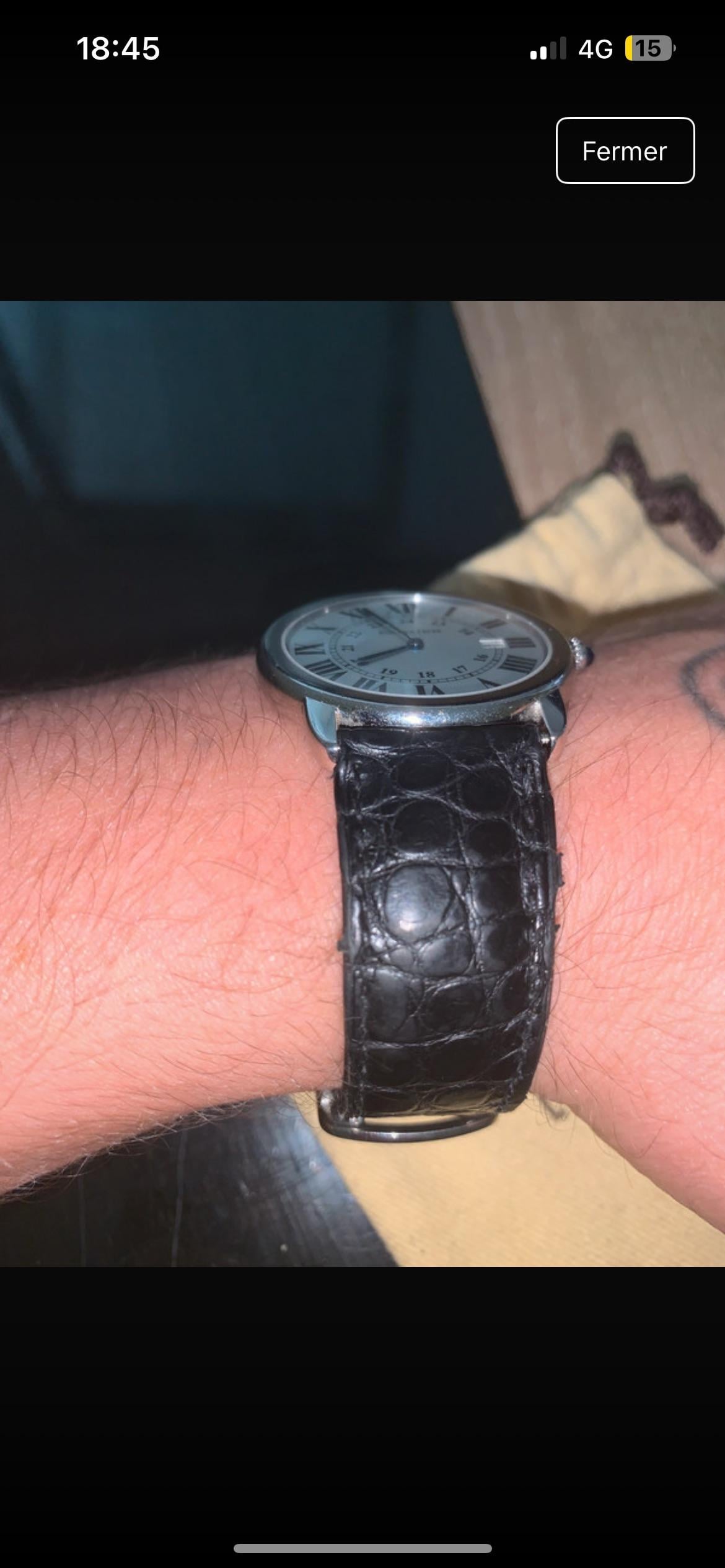
Physical Symptoms to Watch For
- Quill Desiccation: The trademark bumps (follicles) look pale, chalky, or feel brittle to the touch.
- Surface Abrasion: The original semi-gloss finish has been rubbed away, usually near the lugs or where the strap meets the shirt cuff.
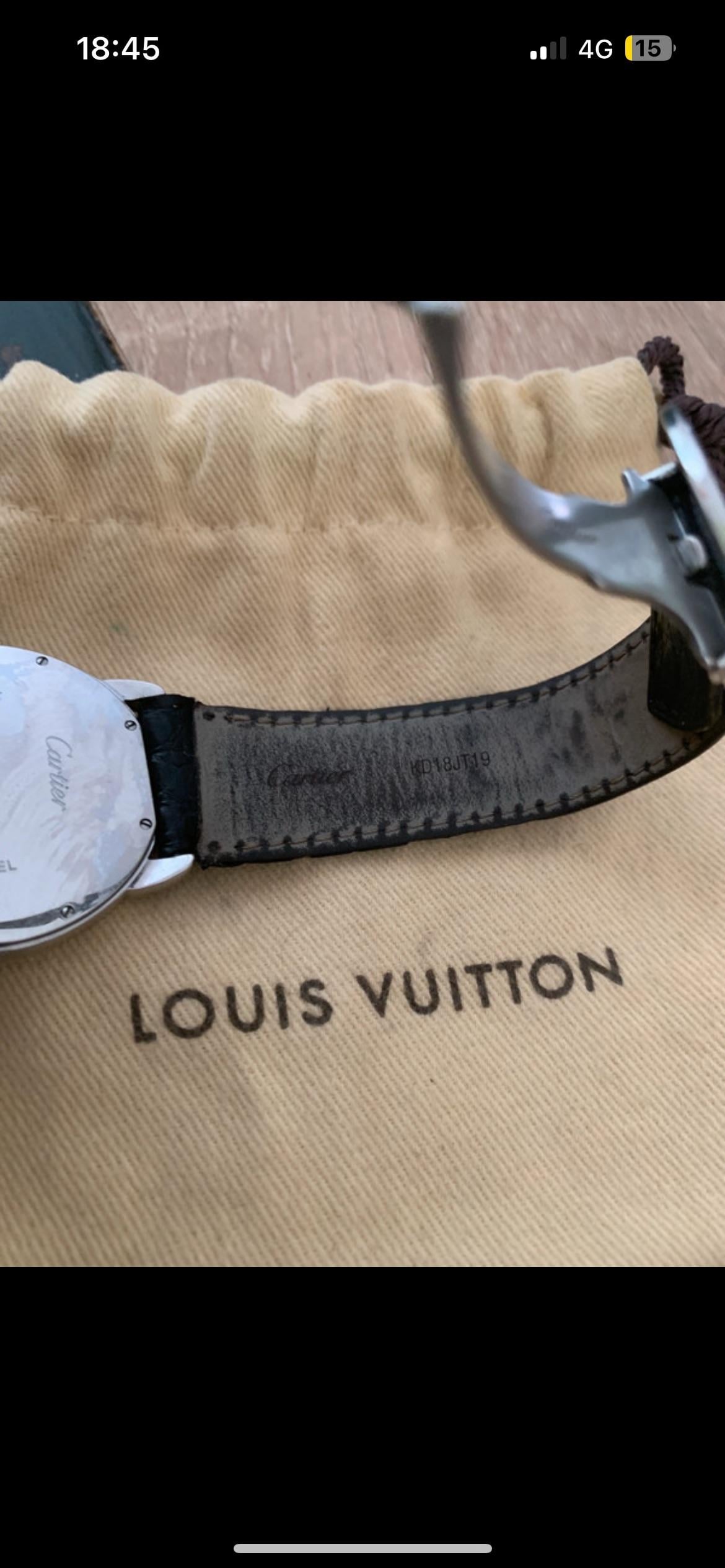
- Discoloration: Dark, greasy patches on the lining or the “bend” of the strap caused by accumulated skin oils and perspiration.
- Edge Paint Failure: The protective “glazing” on the sides is cracking or peeling away in small flakes.
- Loss of Temper: The leather feels stiff or “boardy,” indicating the internal fats have evaporated.
Root Causes of Strap Failure
In the North American climate—ranging from the humid Southeast to the bone-dry winters of the North—ostrich leather faces specific environmental stressors. Acidic degradation is the primary killer; human sweat has a pH that slowly leaches out the tanning salts. Combined with UV exposure from daily wear and the mechanical friction of a stainless steel buckle, the leather eventually reaches a breaking point.
Professional Bench Diagnostics
Before applying any product, you must perform these three tests to determine if the strap is restorable or if it’s “dead skin walking.”
- The Flex Test: Gently bend the strap to a 45-degree angle. If you hear a faint “crackle,” the internal fibers are dry-rotting. At this stage, restoration is purely cosmetic; the strap is no longer safe to hold a multi-thousand dollar timepiece.
- The Absorbency Test: Place a microscopic droplet of water on the back of the strap. If it disappears instantly, the leather is “thirsty” and will soak up oils aggressively, risking permanent darkening.
- The Lining Check: Inspect the Zermatt calfskin or hypoallergenic lining. If it’s turned black or smells of ammonia, the sweat damage is systemic.
Actionable Bench-Work Steps
Step 1: De-Salting and Cleaning
Forget saddle soap; it’s far too alkaline for exotic skins. Use a dedicated Leather Cleansing Foam. Apply the foam to a soft-bristled horsehair brush and work in small, circular motions around the quills. This lifts the salt crystals without over-saturating the core.
Step 2: Fiber Rehydration
Ostrich requires a high-penetration, low-wax formula. I recommend a specialized Exotic Leather Conditioner or a light Neatsfoot-based cream. Use a lint-free microfiber cloth to apply a thin layer. The goal is to nourish the corium layer without clogging the pores of the follicles.
Step 3: Color Correction
If the color has faded, do not use a standard liquid dye, which will bleed onto your wrist. Instead, use a Pigmented Crème. Apply it only to the areas of loss using a fine-tip artist’s brush, then buff vigorously with a clean cloth to set the pigment.
Step 4: Edge Restoration
If the edges are frayed, lightly sand them with 400-grit to 600-grit sandpaper. Once smooth, re-seal the edge with a professional-grade Edge Paint (Vernis). For a natural edge, use a bone folder and a bit of beeswax to burnish the fibers back into a solid unit.
Critical Cautions for the Bench
The biggest mistake I see is the “Darkening Trap.” Ostrich is notorious for shifting three shades darker if you use heavy oils like Mink Oil or “natural” hacks like coconut oil. Once those oils saturate the fibers, they are nearly impossible to extract without damaging the skin.
Never use heat. If the strap gets wet, let it air dry at room temperature. Using a hairdryer or placing it near a heater will cause the leather to shrink and the adhesive layers in the rembordé construction to delaminate. Finally, keep the “household pantry” away from your bench. Vinegar, milk, and banana peels introduce sugars and acids that invite mold growth and accelerate the bacterial breakdown of the exotic hide.