Technical Diagnosis: Sun-Faded Leather
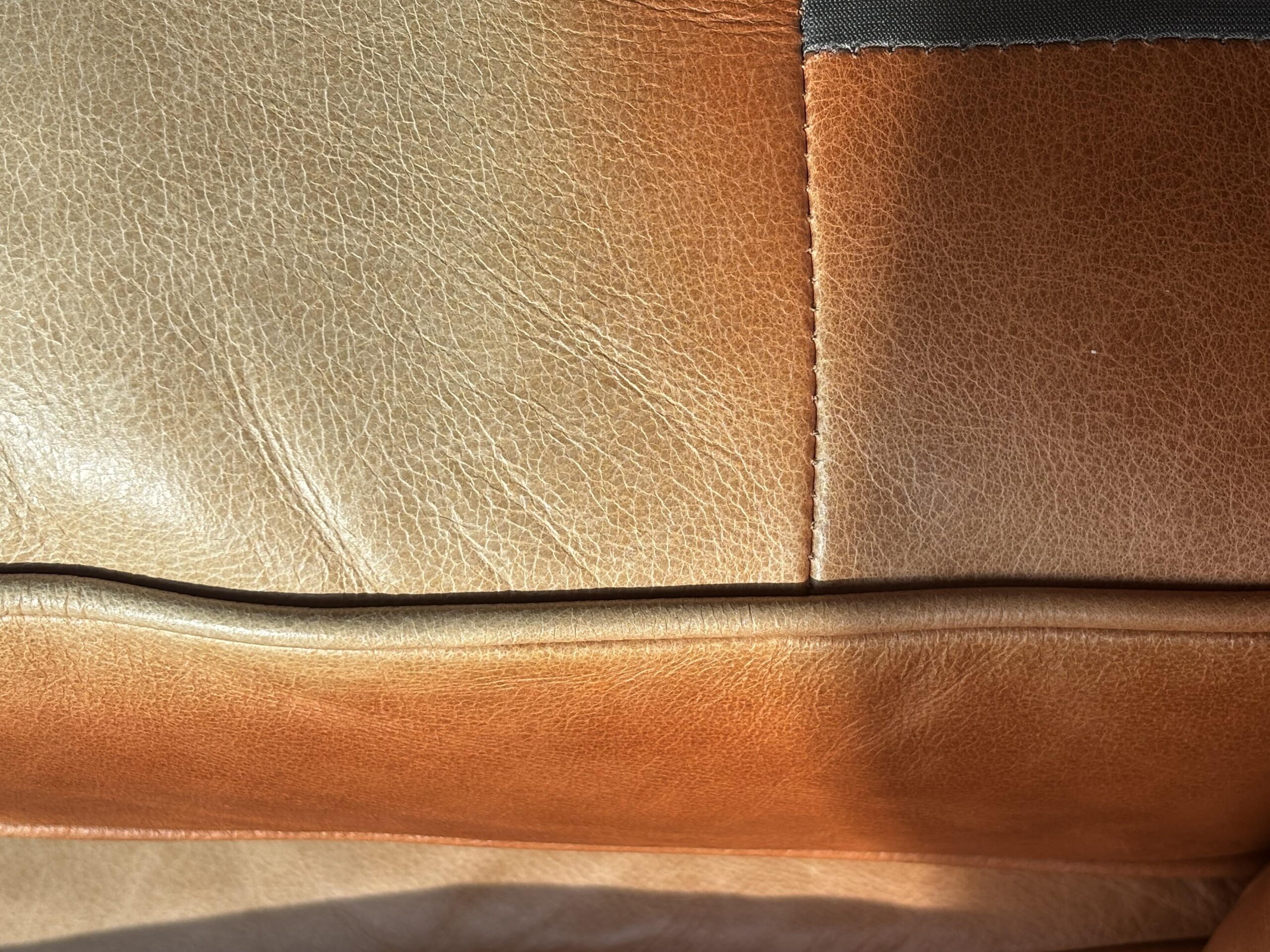
Your leather sofa suffers from severe UV degradation.
Ultraviolet light physically breaks down chemical bonds in leather dyes.
It destroys color molecules rather than just dehydrating the hide.
The factory clear protective sealant has degraded and failed.
This leaves the base color layer completely vulnerable to direct sunlight.
Applying conditioner failed because pigment is missing, not just dry.
Diagnostics: Identifying Your Leather Type
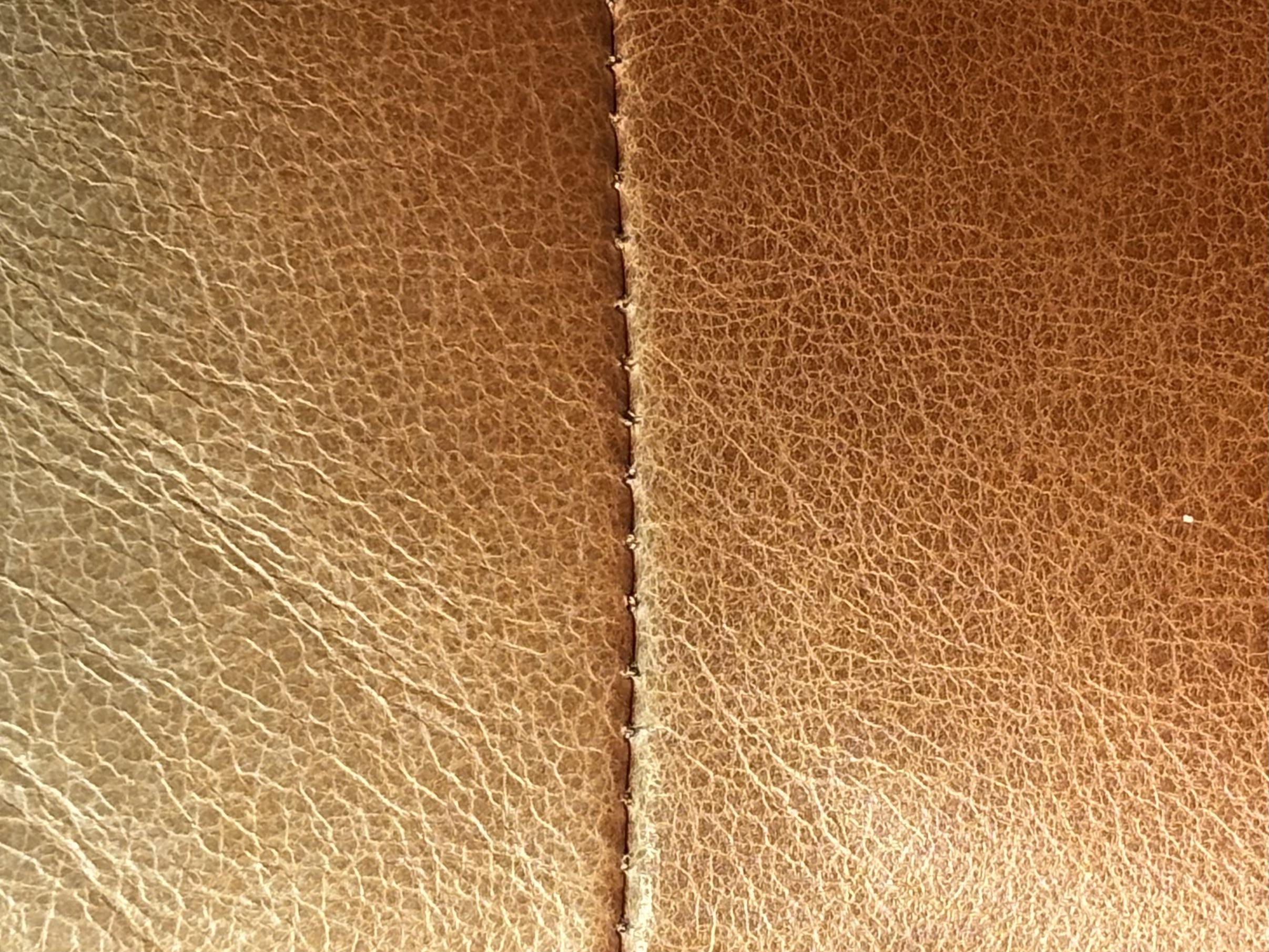
Before buying restoration chemicals, identify what is on the bench.
Perform these tests on a hidden area, like the back flap.
The Water Drop Test
- Place a single drop of water on the leather surface.
- Aniline Leather: Water absorbs in seconds and darkens the hide.
- Pigmented Leather: Water beads up and sits on the opaque topcoat.
The Visual Grain Test
- Aniline: You will see natural bug bites, fat wrinkles, and pores.
- Pigmented: The surface looks perfectly uniform, like vinyl.
Fixes: The Workbench Process
Purchase a restoration kit specific to your diagnostic result.
You need either an aniline dye or a pigmented leather colorant.
Step 1: Deep Cleaning and Prep
Do not skip this step. Prep is 90 percent of the job.
- Wipe the sofa down with a dedicated leather cleaner.
- Use a leather prep solvent or denatured alcohol.
- Lightly scuff faded areas with a gray Scotch-Brite pad.
- This removes body oils and dead topcoat for proper adhesion.
Step 2: Color Application
Your application method depends on your leather type.
- Aniline: Apply dye using a high-density sponge in long strokes.
- Apply multiple thin coats. Dry completely between coats.
- Use a hairdryer on low heat (around 90 Fahrenheit) to speed drying.
- Pigmented: You are repainting with a polyurethane colorant.
- Sponge the first coat on, stippling it into the grain.
- Apply 2 to 3 thin coats, drying in between.
Step 3: Sealing The Topcoat
Color is useless if you do not lock it in.
- Apply a clear leather finish to match the original sheen.
- Sponge or spray on 2 thin coats.
- This adds UV protection and prevents color transfer.
Bench Cautions
Applying dye over old body oils causes peeling within a week.
Never use shoe polish. Its waxes never fully cure.
Shoe polish will rub off onto your clothes immediately.
Three thin coats are infinitely stronger than one thick coat.
Thick coats crack under the weight of a 200 lb person sitting.
Frequently Asked Questions
Why didn’t the leather conditioner bring the color back?
Conditioner only restores moisture to dried out hides.
True sun-fading means UV rays chemically destroyed the pigment.
You cannot moisturize missing pigment back into existence.
The color molecules must be physically replaced on the bench.
Can I use this process to restore a sun-faded steering wheel?
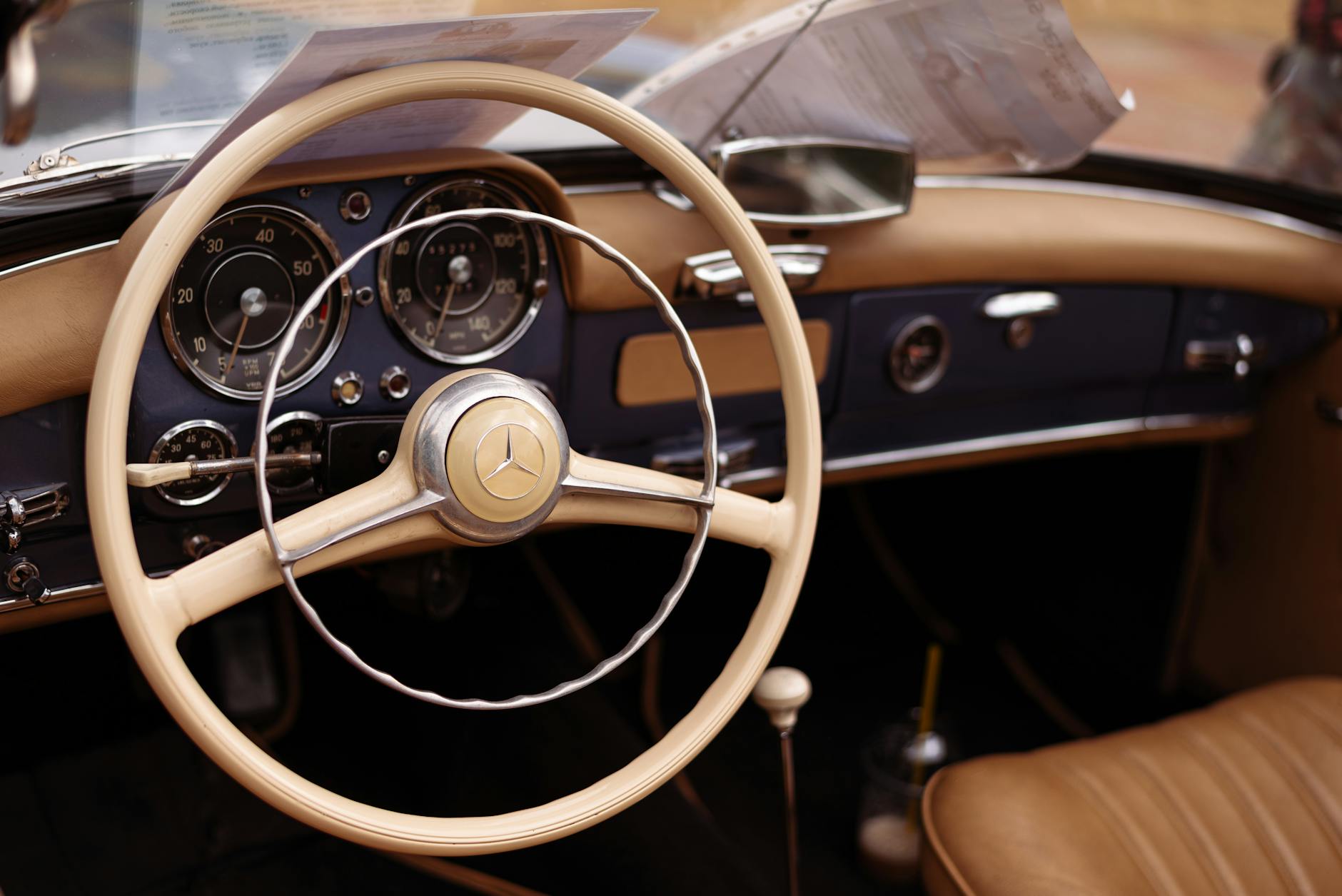
Yes, the chemistry and repair steps are identical.
Steering wheels are almost exclusively Pigmented leather.
They are heavily coated to withstand acidic hand oils.
You must be incredibly aggressive with the prep solvent.
Apply an extra layer of topcoat to handle constant friction.
How do I prevent the sofa from fading again after restoration?
Ensure you use a topcoat with UV inhibitors for the final step.
Apply a high-quality leather protection cream every 3 to 4 months.
Install UV-blocking window film to cut damaging rays at the source.