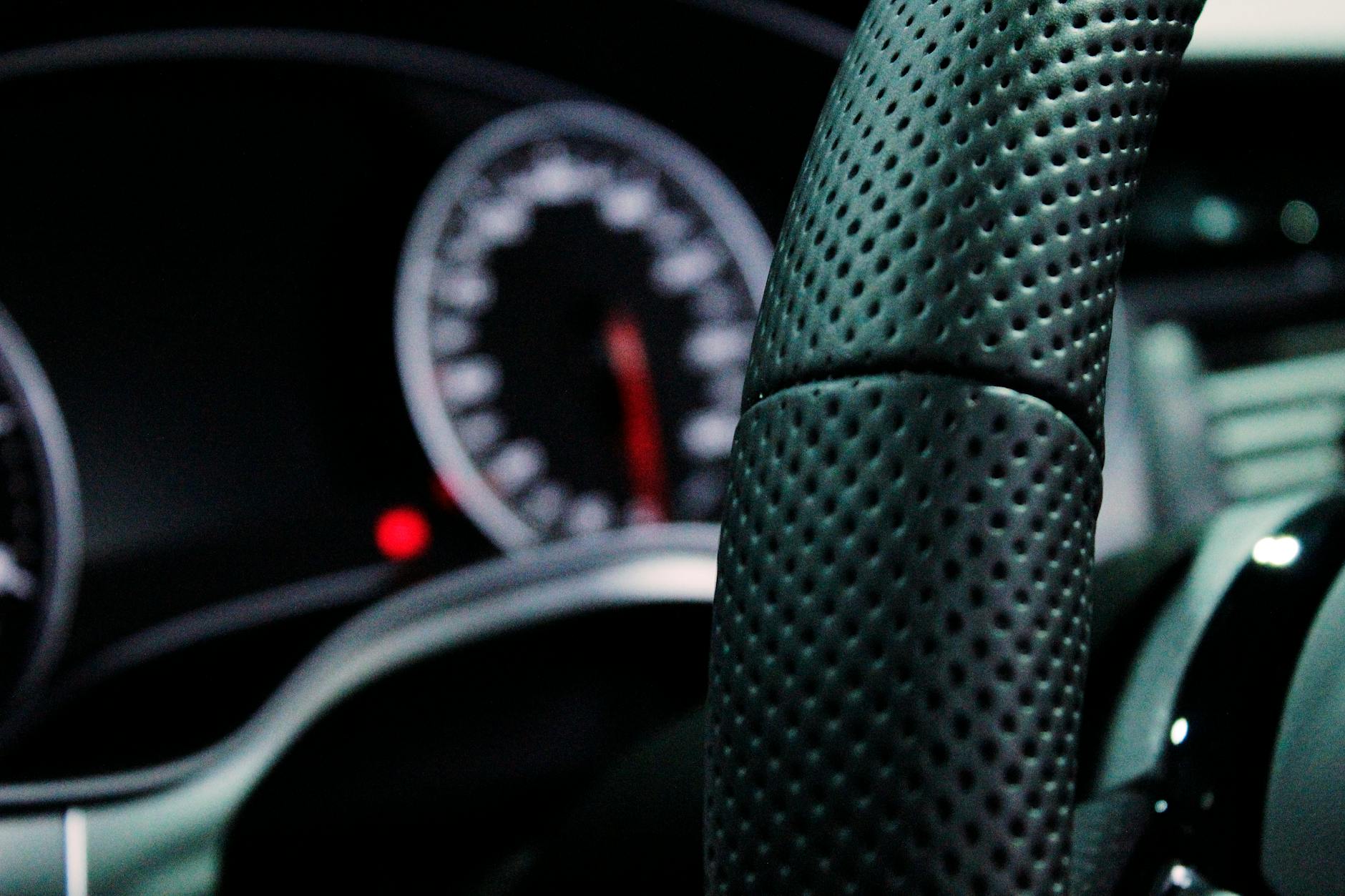
Restore vintage leather steering wheels by properly deglazing, redyeing, and sealing with durable top coats. Follow precise steps for a flexible, long-lasting finish.
1. Symptoms
- Original finish is peeling, cracking, or dull on vintage leather steering wheels.
- Leather itself remains intact with no cracks, tears, or dryness.
- Leather requires deglazing and redyeing before sealing.
- Uncertainty about selecting the correct top coat/sealer for durability and finish.
2. Likely Causes
- Factory finish breakdown from age, UV exposure, and wear.
- Previous use of incompatible or inappropriate top coats.
- No clear industry standards for steering wheel leather finishes.
- Confusion between polyurethane and acrylic sealers.
3. Diagnostics
- Inspect leather surface for flaking, peeling, or sticky residues.
- Test adhesion by lightly rubbing with isopropyl alcohol or leather deglazer.
- Check leather porosity and absorbency after deglazing.
- Identify leather type: aniline, semi-aniline, or pigmented (usually pigmented on steering wheels).
- Determine required flexibility; steering wheels need durable, flexible finishes.
4. Fixes: Step-by-Step Practical Guidance
Related Reading
- Restoring Water-Damaged Leather: A Professional Guide to Reviving Flash-Dried Auto Interiors
- Restoring Vintage Leather: A Bench-Side Guide to Reviving Aged Jackets
- Professional Bench-Work: Restoring Ostrich Leather Watch Straps
Frequently Asked Questions
Materials Needed
- Leather deglazer (Angelus or 99% isopropyl alcohol)
- Leather dye (color matched and appropriate type)
- Top coat/sealer options:
- Urethane-based (Angelus 4-4-4 Urethane Finish)
- Acrylic-based (Angelus Acrylic Finisher, Resolene)
- Specialty leather top coats (Letech Leather Top Coat, Furniture Clinic Leather Finish)
- Fine sanding sponge or 400-600 grit sandpaper
- Soft cloths, brushes, or airbrush equipment
- Nitrile gloves and respirator mask for safety
Step 1: Preparation
- Clean steering wheel thoroughly with mild leather cleaner.
- Deglaze leather surface using a leather deglazer or 99% isopropyl alcohol on a soft cloth.
- Allow leather to dry completely before proceeding.
Step 2: Dyeing
- Apply leather dye evenly with sponge, brush, or airbrush.
- Let dye dry fully; apply additional coats for deeper color as needed.
- Lightly sand between coats with fine sanding sponge or 600 grit sandpaper if surface feels rough.
Step 3: Choosing and Applying Top Coat/Sealer
Urethane-based finishes:
- Highly durable, flexible, and resistant to abrasion and oils.
- More difficult to apply evenly; may yellow if not UV stable.
- Recommended for steering wheels due to durability needs.
Acrylic-based finishes:
- Easier to apply, dries clear, and remains flexible.
- Less abrasion resistant; may wear faster under heavy use.
Specialty leather top coats:
- Formulated specifically for leather to balance flexibility and durability.
Application steps:
- Test chosen top coat on a small, hidden area or scrap leather.
- Apply thin, even coats using brush, sponge, or airbrush.
- Allow each coat to dry fully per product instructions.
- Apply 2 to 4 coats for optimal protection and finish.
- Lightly sand between coats with 600 grit sandpaper if surface feels rough.
- Allow final coat to cure fully for 24 to 48 hours before use.
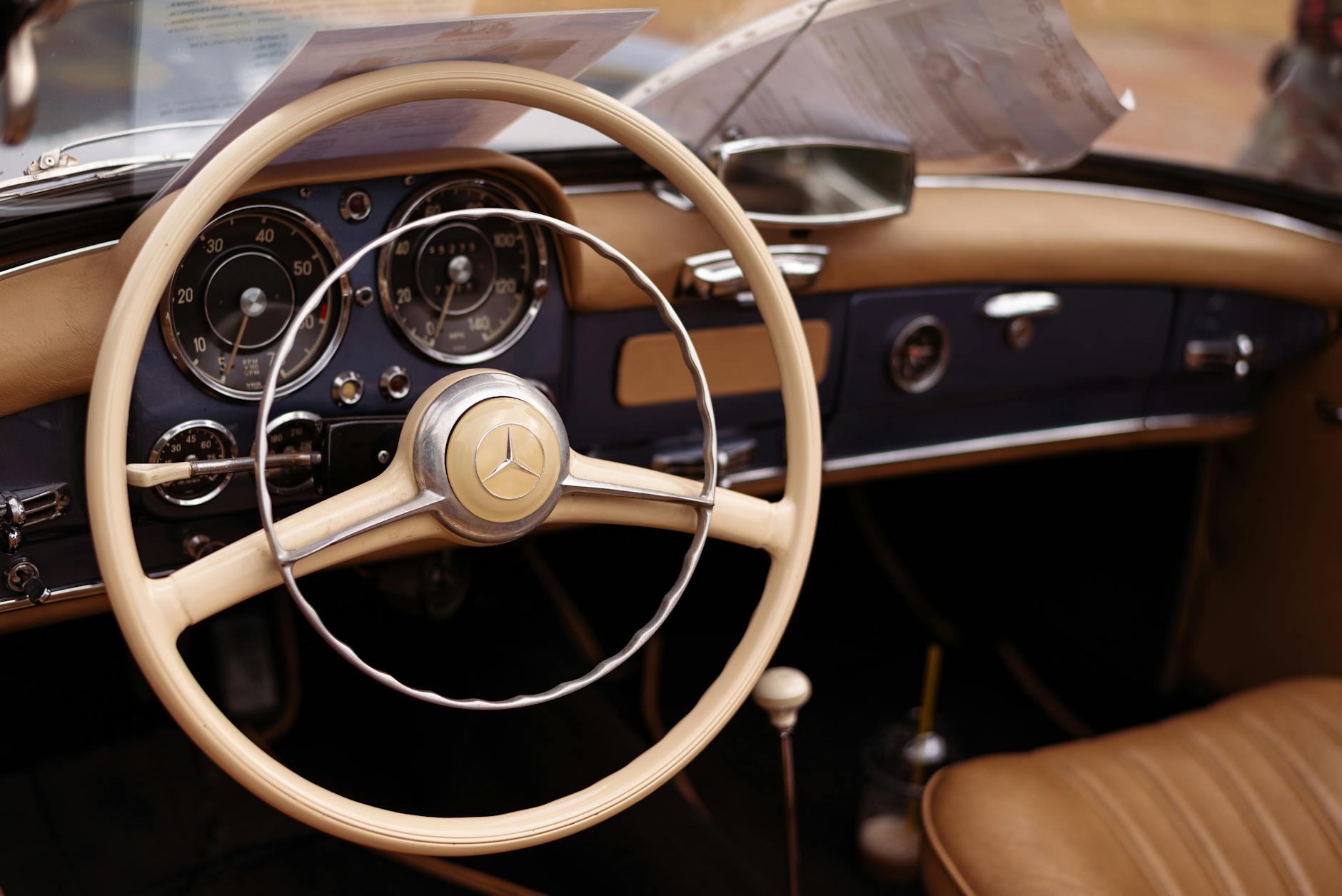
If you are also dealing with faded or sun-damaged trim, see Restoring Water-Damaged Leather: A Professional Guide to Reviving Flash-Dried Auto Interiors for a related repair path.
5. Cautions
- Avoid thick coats which can crack or peel over time.
- Ensure proper ventilation and wear nitrile gloves and respirator when using solvents and finishes.
- Do not use furniture polyurethane finishes designed for wood; they are too rigid for leather.
- Avoid water-based finishes if steering wheel is exposed to frequent sweat and oils.
- Always test products on a sample before full application.
- Be patient with drying and curing times to ensure durability.
6. FAQ
Is urethane or acrylic better for steering wheel leather?
Urethane finishes offer superior durability and flexibility, ideal for steering wheels exposed to oils and UV. Acrylic finishes are easier to apply but wear faster under heavy use.
Can I use automotive clear coat on leather steering wheels?
No. Automotive clear coats are formulated for hard surfaces like metal and plastic. They are too rigid and will crack or peel on flexible leather surfaces.
How many coats of top coat should I apply?
Apply 2 to 4 thin coats. Multiple thin layers ensure even coverage, flexibility, and prevent cracking or peeling.